The excellence of Italian EVOO
Italian extra virgin olive oil is globally appreciated for its outstanding organoleptic and nutritional properties. The quality of EVOO depends on several key factors: the type of olives, the climate and terrain, harvesting techniques, and production methods.
Regional specialties and PDO oils
Italy is a leader in the production of premium EVOO, offering 43 PDO-certified oils (Protected Designation of Origin) that showcase the country’s regional richness. However, PDO oils represent just 2% of total production. There are also many high-quality Italian EVOO oils without PDO certification available on the market.
How to recognize 100% Italian olive oil
To ensure you're buying 100% Italian extra virgin olive oil, check that Italy is the only country listed on the label. This confirms the oil was made from olives grown and pressed in Italy. The “Made in Italy” label alone is not enough, as it could refer to foreign olives processed in Italy.
The importance of cold pressing
High-quality extra virgin olive oil is always cold-pressed, a method that helps preserve aromatic and antioxidant compounds, even if it results in a lower yield.
Monovarietal oils: identity and typicity
Monovarietal oils, made from a single variety of olive, deliver a unique flavor profile closely tied to their territory of origin. Notable examples include:
Coratina and Peranzana from Puglia
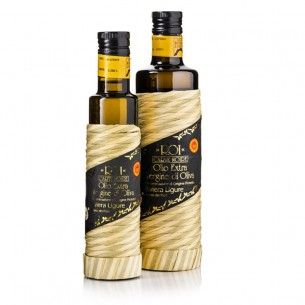
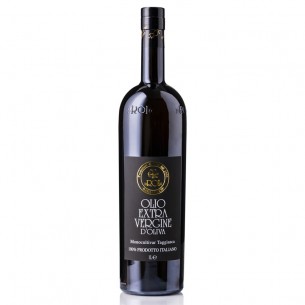
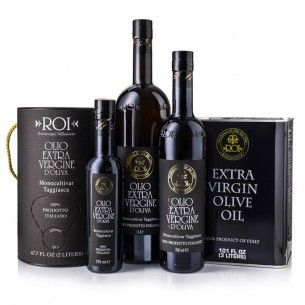
Taggiasca from Liguria
These oils are prized by connoisseurs for their distinct character. That said, blends of different olive varieties can also result in excellent EVOO.
Key quality indicators: acidity, peroxides, polyphenols
Important markers of top-quality EVOO include:
- low acidity levels
- minimal peroxide values
- high polyphenol content
PDO-certified oils typically meet higher purity standards than generic extra virgin olive oils.



Comments (0)